In 2021, I made my first and only investment in a multi-family equity syndication.
Since then, things have not gone so well and my wife and I expect to lose our entire $100,000 investment.
Did we get scammed? Did we choose a bad operator?

No, we didn’t.
The building is real and tenants continued paying rent. The problem was that the sponsor used floating-rate debt.
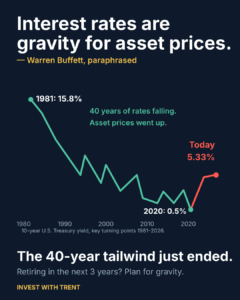
In 2022, interest rates rose over 5% in a very short period of time and the property’s value declined. Ourselves and all the other equity investors absorbed the damage.
The lender continued getting paid.
We didn’t.
That experience permanently changed the first question I ask about an investment.
I used to ask: “How much could I make?”
Now I ask a smarter question: “What protects my principal if the projection is wrong?”
That is why I have become so focused on where an investor sits in the capital stack.
An equity investor is generally in the first-loss position. If the property declines in value, the owner’s equity absorbs that loss before the senior lender’s principal is affected.
Private real estate credit puts the investor on the lending side instead.
That does not make it risk-free.
Appraisals can be wrong. Borrowers can default. Foreclosures take time and money. Funds can use leverage, suspend distributions or restrict redemptions. Poor underwriting can overwhelm an apparent equity cushion.
But lending changes the risks you accept—and the order in which losses reach you.
In my newest video, I explain how this relates to longtime rental owners who may have hundreds of thousands of dollars tied up in properties producing very little current income.
I walk through the numbers, the capital stack and the tradeoffs involved in moving from owning real estate to financing it.
If protecting principal and generating income matter more to you today than capturing every possible dollar of future appreciation, I think you’ll find the comparison useful.