You’ve Built Real Equity in Your Rentals. It Shouldn’t Be Earning You 3%.

A real estate debt fund for landlords who are done with 2am phone calls, vacancy months, and cash-on-cash returns that embarrass a savings account.

Not ready for a call? Join the email list →

Minimum investment: $100,000 | 506(c) offering | Accredited investors only

THE PROBLEM

The Math on Single-Family Rentals Isn't What It Used to Be.

You bought your first rental somewhere between 2008 and 2017. The numbers worked. Appreciation was a bonus. Today, that same portfolio sits on $400K to $1.5M in equity — and produces a cash-on-cash return that rounds to 3%.

Then there’s the gap. The property manager takes 8–10%. Maintenance reserves eat another slice. One vacancy month and a turnover wipes out the year. What’s left after the spreadsheet is honest with itself isn’t what the pro forma promised.

And the time. The midnight text about a water heater. The capex call you have to make on a roof you’ve never seen. The tenant who stopped paying in month four. None of that shows up in the cap rate. All of it shows up in your week.

At some point you notice that “passive income” was always a marketing word. The asset is real. The income is real. The passivity was never there.

You already know this. The question is what to do about it.

THE SHIFT

Why More Landlords Are Moving Equity Into Real Estate Debt.

01 — Big Picture

A debt fund pools investor capital and lends it out as short-term mortgages secured by real estate. You stop being the equity owner. You become the bank.

02 — One Real Loan

A borrower wants to buy and rehab a $400,000 property. The fund lends $300,000 — 75% LTV. The borrower pays a 3% origination fee plus 12% annual interest. If that money turns twice in a year, the fund earns roughly 15–20% annualized on that single loan.

03 — Now Scale It

Multiply that across 100 loans, in different markets, with different borrowers, at different points in their cycle. Your capital isn’t tied to one roof, one tenant, or one zip code. It’s spread across a portfolio.

04 — Why It Matters

You’re first in the capital stack. If something goes wrong, you get paid before any equity investor sees a dollar. The property is the collateral. That position is the entire point.

SIDE BY SIDE

Owning the House vs. Owning the Loan.

COMPARISON

Owning Rentals Directly

Investing in the Debt Fund

CASH-ON-CASH RETURN

2–4% after fees, vacancies, and repairs

13–17% target net to LPs

TIME COMMITMENT

Ongoing: calls, decisions, capex, taxes

None. You're an LP.

TENANTS

Yours to deal with

Not your problem

CAPITAL STACK POSITION

Equity owner — last to be paid

Debt holder — first to be paid

DIVERSIFICATION

Concentrated in 1–10 properties

Spread across dozens of loans

LIQUIDITY

60–90 day sale, agent fees, timing risk

Lock-up period, then redemption windows

TAX TREATMENT

Depreciation benefits, rental income

Ordinary income (some funds offer cap-gains treatment)

No investment is risk-free. Borrowers can default. Property values can drop. What matters most is the fund manager — and that’s where due diligence comes in.

WHO'S RUNNING THIS

Not a guru. A fellow investor.

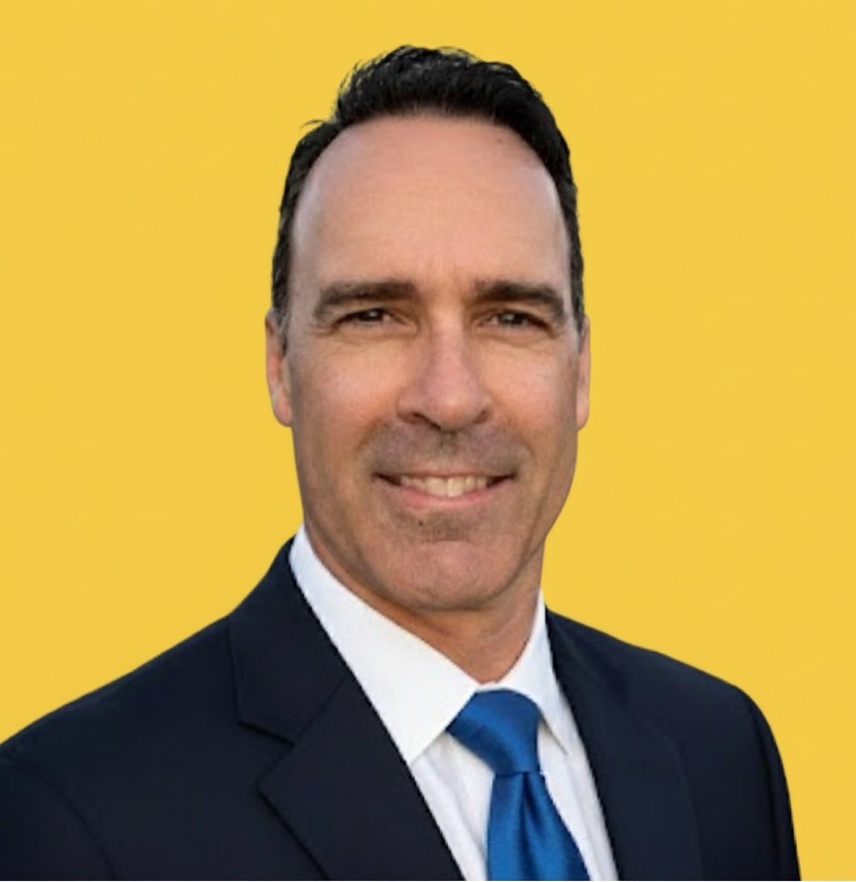
Trent has been investing in commercial real estate since 2019. He puts his own money into every fund he raises capital for — same terms, same lock-up, same risk as his LPs.

He’s walked away from deals that didn’t pass his due diligence. He’d rather miss a good deal than catch a bad one.

The work he does is the work most LPs don’t have time for: verifying loan tapes, spot-checking collateral, confirming public records, running background checks on fund managers, sitting on calls until the answers actually make sense.

He’s had wins and losses and he talks about both. 

He’s not a financial advisor. He’s a fellow investor who’s done the homework.

HOW IT WORKS

What Happens When You Book a Call.

We Answer Your Questions

After you've seeing the data room, we expect that you'll have a few additional questions.

We Show You the Numbers

We help you to understand how much income our funds could generate for you each month.

You Select Your Allocation

You pick from our pre-vetted investment funds by selecting the ones that best match your priorities.

Monthly Income Starts

Distributions are deposited to your account monthly. No work required on your part.

Minimum investment is $100,000. Accredited investors only.

FREE WEBINAR

Capital Protection & Cash Flow Using Real Estate Debt Funds

Discover how investing in real estate debt funds deliver high yields & monthly income with more predictable outcomes than equity investments – and how to conduct due diligence like the pros. 

See How Much Income Your Equity Can Safely Produce

Book a consultation. We’ll help you to discover just how much income your equity could produce. No obligation, and NO hard sell.

For accredited investors only. $100K minimum. 

WHO QUALIFIES

Who This Is For.

This is a 506(c) offering. SEC rules require accredited investor status. In plain English, you qualify if any of the following are true:

01 – Individual income over $200,000 (or $300,000 combined with spouse) for the past two years.

02 – Net worth over $1 million, excluding your primary residence.

03 – Certain professional certifications (Series 7, 65, or 82).